Retaining Wall Drainage in Birmingham, AL
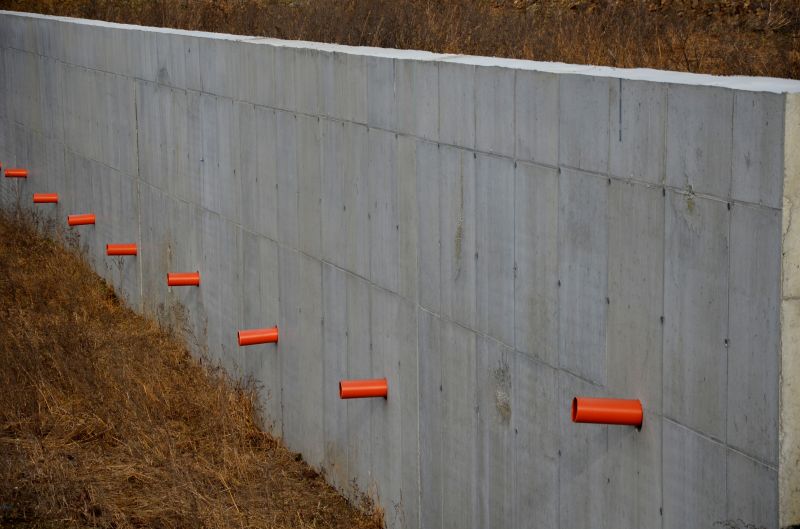
Retaining wall drainage services focus on ensuring proper water management behind retaining walls to prevent damage and maintain stability. These services typically involve installing drainage systems such as weep holes, perforated pipes, and gravel backfills that direct excess water away from the wall’s structure. Homeowners often seek this service for projects involving garden terraces, yard leveling, or decorative retaining walls, especially in areas prone to heavy rainfall or poor drainage. Proper drainage is essential to avoid water buildup, which can lead to wall failure, soil erosion, or property damage over time.
Before requesting retaining wall drainage services, property owners usually want to understand the type of drainage system suitable for their specific landscape and wall design. Factors such as the wall’s height, material, and the slope of the land influence the best drainage solutions. Additionally, understanding how water flows around their property and potential issues like standing water or soil movement can help determine the most effective approach. Clear communication about these details can ensure that the drainage system is designed to protect the integrity of the retaining wall and the surrounding landscape.
Many property owners in Birmingham, AL look into Retaining Wall Drainage for repairs, replacements, upgrades, and appearance-related improvements.
Drainage Solutions For Retaining Walls
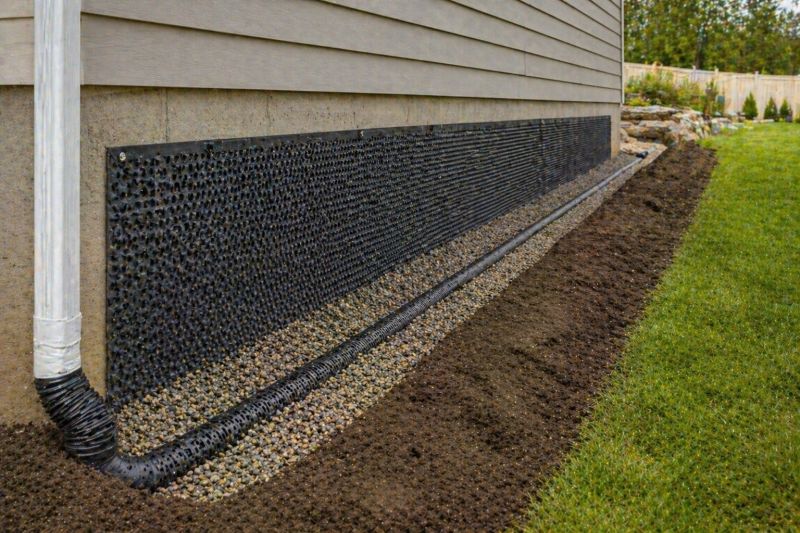
Proper drainage prevents water buildup and protects the stability of retaining walls in birmingham properties.
Design Considerations For Effective Drainage
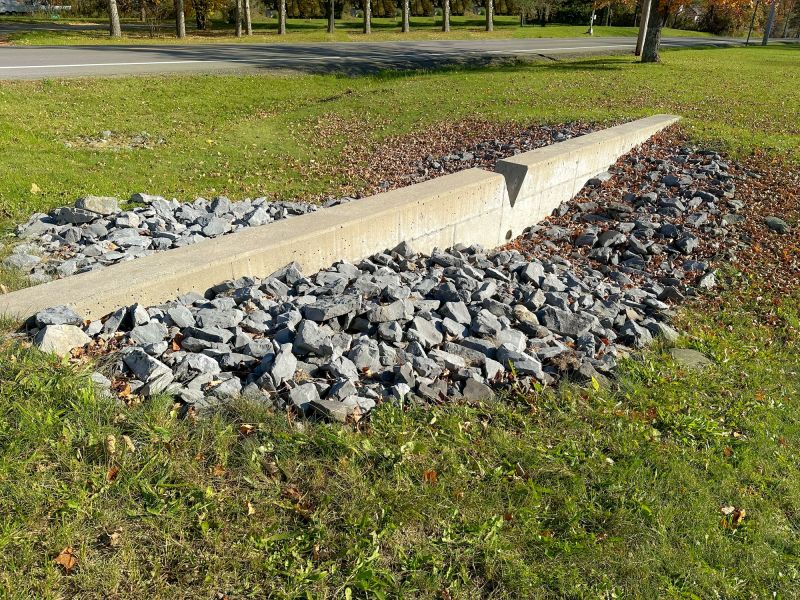
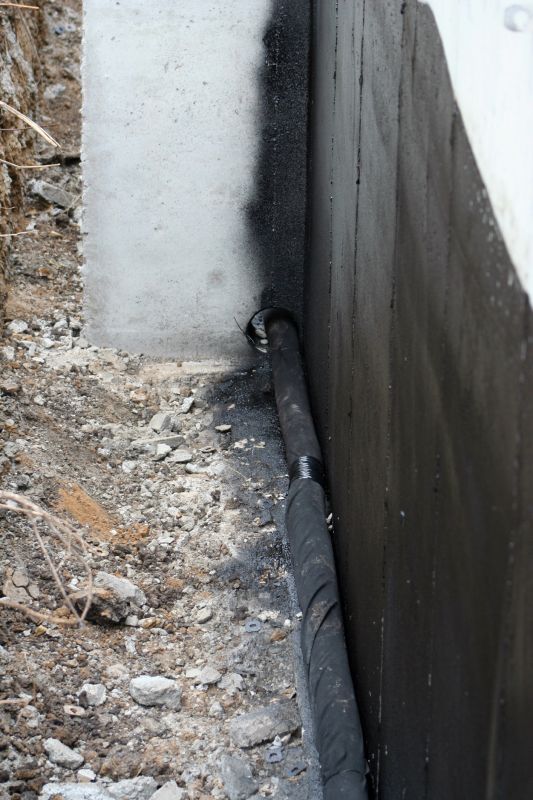
Selecting the right drainage system is essential for managing water flow around retaining walls and preventing erosion.
Maintenance For Long-Lasting Retaining Walls
Regular inspection and upkeep ensure drainage systems continue to function properly and extend the lifespan of retaining structures.
Retaining Wall Drainage in Birmingham, AL
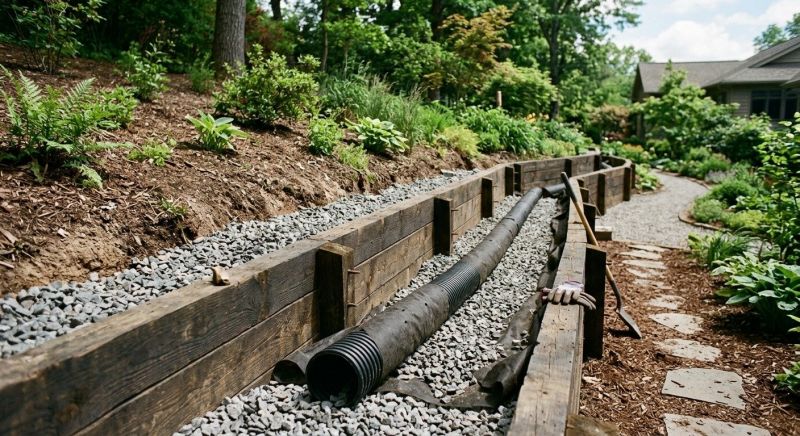
Retaining wall drainage services focus on ensuring proper water management behind retaining walls to prevent damage and maintain stability. These services typically involve installing drainage systems such as weep holes, perforated pipes, and gravel backfills that direct excess water away from the wall’s structure. Homeowners often seek this service for projects involving garden terraces, yard leveling, or decorative retaining walls, especially in areas prone to heavy rainfall or poor drainage. Proper drainage is essential to avoid water buildup, which can lead to wall failure, soil erosion, or property damage over time.
Before requesting retaining wall drainage services, property owners usually want to understand the type of drainage system suitable for their specific landscape and wall design. Factors such as the wall’s height, material, and the slope of the land influence the best drainage solutions. Additionally, understanding how water flows around their property and potential issues like standing water or soil movement can help determine the most effective approach. Clear communication about these details can ensure that the drainage system is designed to protect the integrity of the retaining wall and the surrounding landscape.
Many property owners in Birmingham, AL look into Retaining Wall Drainage for repairs, replacements, upgrades, and appearance-related improvements.
Common Retaining Wall Drainage Jobs
Retaining wall drainage services help prevent water buildup behind walls that can cause damage or failure.
Drainage solutions are essential for managing surface runoff and groundwater flow away from retaining structures.
Weep hole installation ensures proper water escape, reducing pressure on retaining walls.
Drainage system repairs address blockages or leaks that compromise wall stability.
Waterproofing and drainage upgrades protect retaining walls from moisture-related deterioration.
Drainage planning assists homeowners in designing effective water management for retaining wall projects.
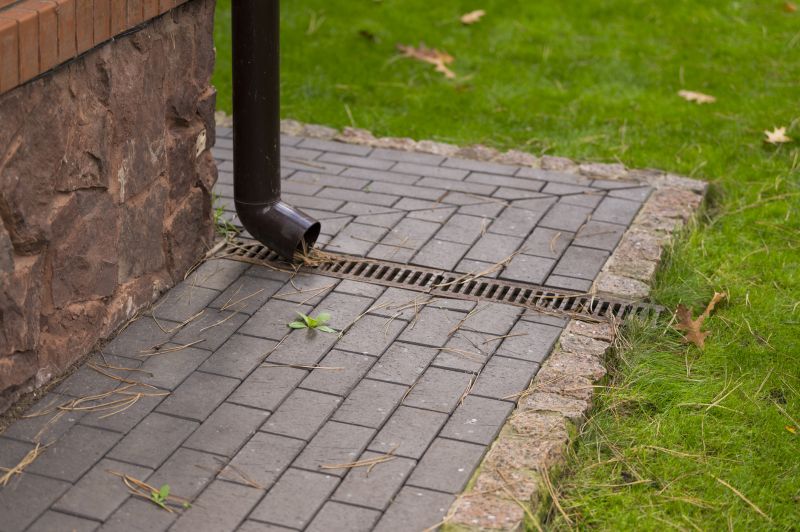
Retaining Wall Drainage Questions
Why is drainage important behind a retaining wall? Proper drainage prevents water buildup, reducing pressure that can cause the wall to shift or fail.
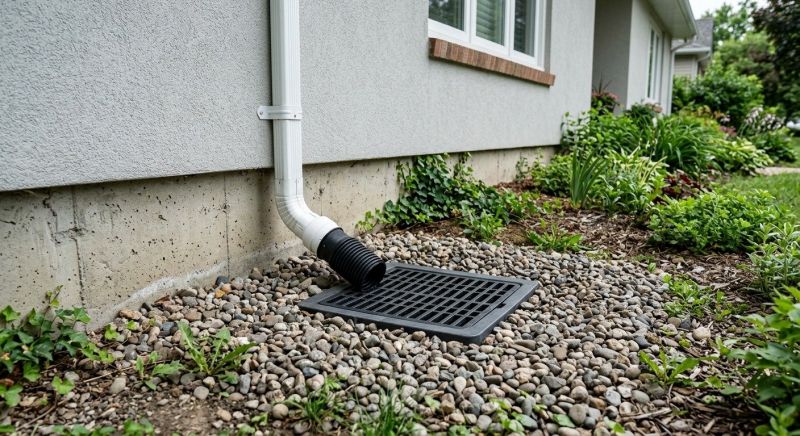
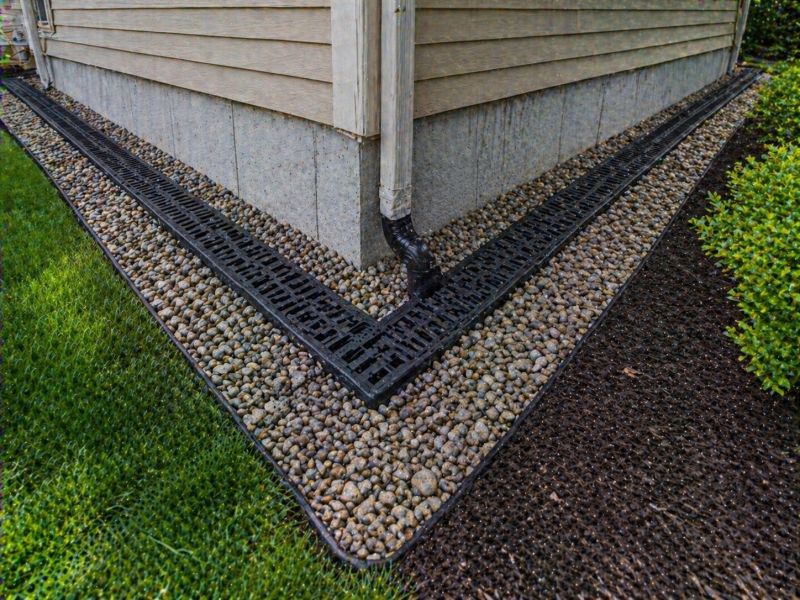
What types of drainage solutions are available for retaining walls? Common options include weep holes, drainage pipes, and gravel backfill to direct water away from the structure.
How can poor drainage affect a retaining wall? Inadequate drainage can lead to water pooling, increased pressure, and potential structural damage over time.
When should drainage systems be inspected or maintained? Regular inspections are recommended after heavy rains or when signs of water pooling or soil erosion appear near the wall.
Request Retaining Wall Drainage in Birmingham, AL
Use the quote form on this page to share the basics of your project and request more information for the type of work you need.