Cost of Drainage
Drainage project costs can vary significantly based on the scope of work, materials selected, labor requirements, and site-specific conditions. Factors such as the size of the area to be drained, the type of drainage system installed, and accessibility can influence overall expenses. It is important to consider these elements when estimating the potential price range for drainage services.
Final pricing for drainage work is typically determined after evaluating the specific site conditions and project requirements. Since costs depend on multiple variables, obtaining detailed quotes from local providers can help compare options and better understand the expected investment. This approach ensures a clearer picture of potential expenses tailored to individual project needs.
Estimated Price Range
$1,200 - $2,800 (smaller scope)
$3,500 - $8,000 (larger scope)
| Project Type | Typical Range |
|---|---|
| Basic Drainage Installation | $1,200 - $2,800 |
| French Drain System | $2,500 - $5,000 |
| Drainage Repair | $1,500 - $4,000 |
| Surface Drainage Improvements | $2,000 - $6,000 |
| Stormwater Management System | $4,000 - $8,000 |
| Drainage System Replacement | $3,000 - $7,000 |
Factors Affecting Cost
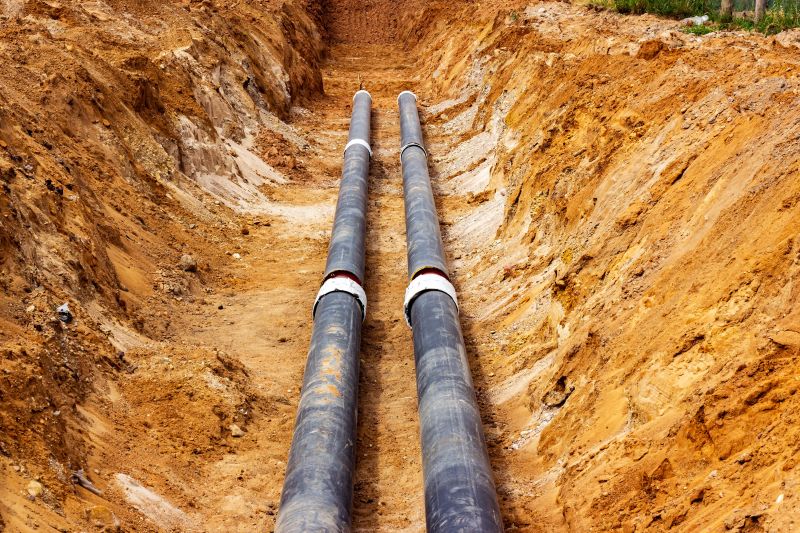
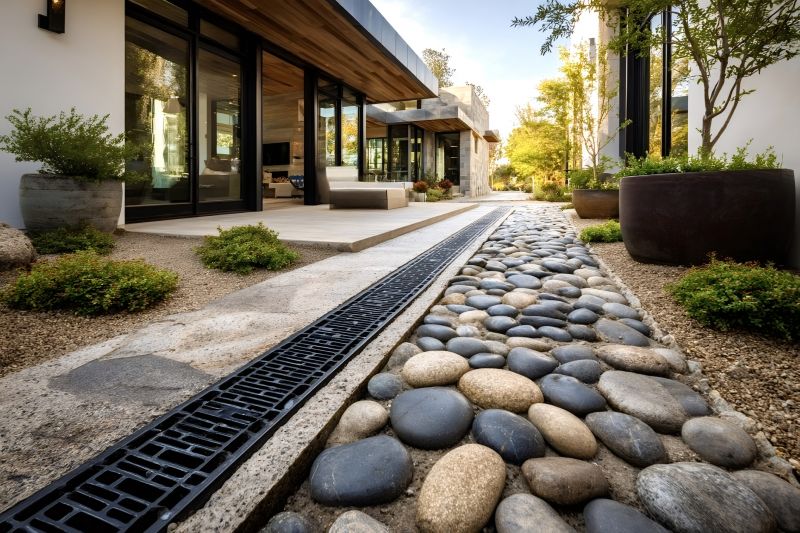
Drainage projects involve the installation, repair, or enhancement of systems designed to manage water flow around a property. Proper drainage helps prevent water accumulation, erosion, and potential damage to structures. Understanding typical project components can assist in planning and budgeting for drainage solutions.
- Materials used may include perforated pipes, gravel, and geotextile fabrics, selected based on project requirements.
- Scope can range from small yard drains to extensive subterranean systems covering large areas.
- Labor complexity varies depending on the project's size, accessibility, and the type of drainage system installed.
- Permitting requirements depend on local regulations and the scope of work, potentially involving permits for excavation or water discharge.
- Additional features might include sump pumps, catch basins, or water diversion structures to enhance system effectiveness.
Project Size & Complexity
| Scope/Size | Typical Range |
|---|---|
| Residential Drainage | 1 to 4 inches in diameter |
| Commercial Drainage | 4 to 12 inches in diameter |
| Stormwater Drainage | 6 to 24 inches in diameter |
| Industrial Drainage | 12 inches and above |
| Surface Drainage | Varies based on area and volume |
Drainage system specifications vary depending on project scope and site requirements.